The Importance of Property Management: Protecting Your Asset, Maximising Its Potential
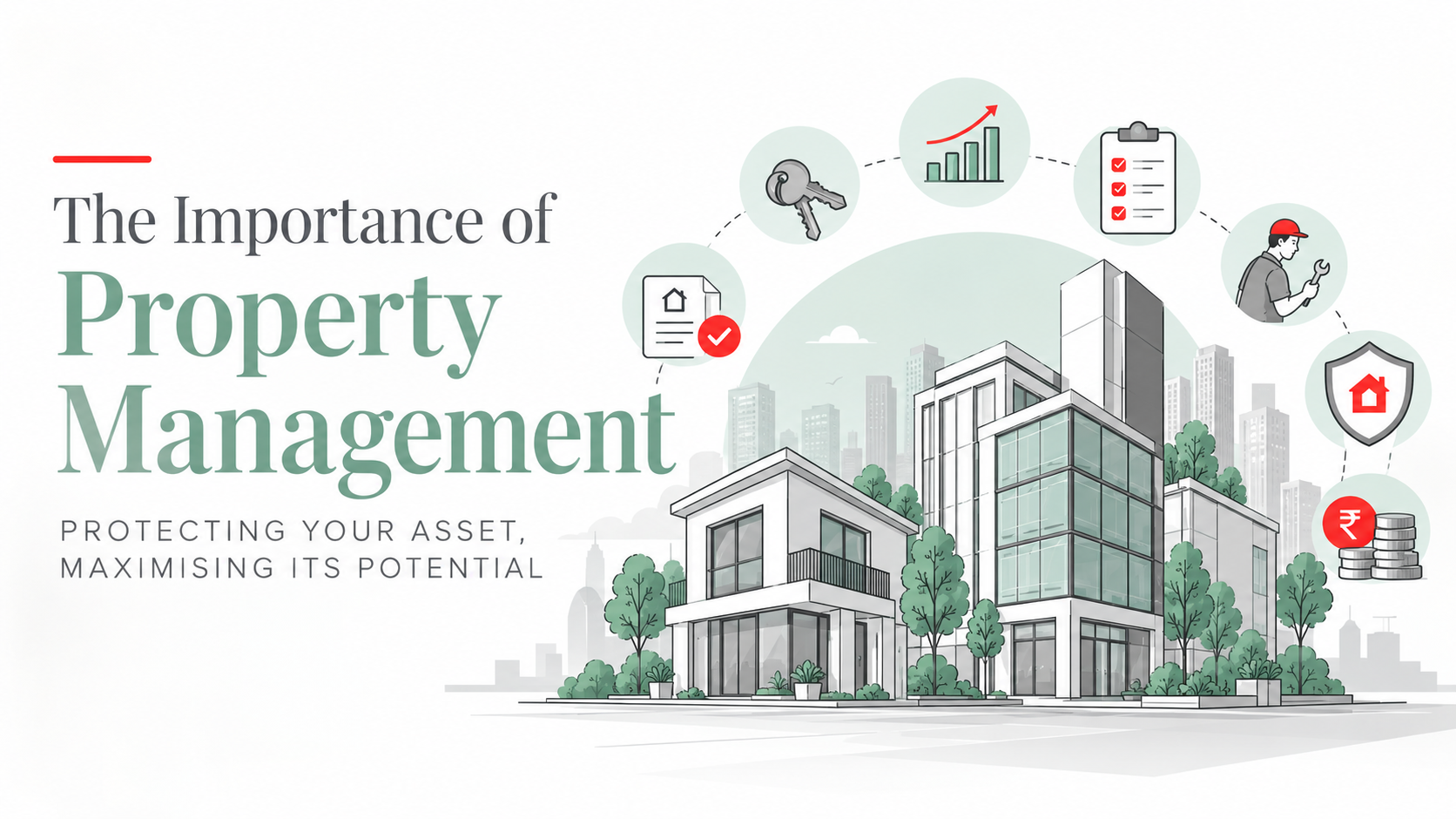
Property is more than just a physical asset. It represents a significant financial investment, a source of rental income, and often, a long-term legacy. Yet, owning a property comes with responsibilities that extend far beyond purchasing it or finding a tenant. From routine maintenance and tenant coordination to financial oversight and regulatory compliance, effective property management plays a crucial role in ensuring that a property remains well-maintained, productive, and valuable over time.
For property owners, professional property management brings structure, consistency, and peace of mind to the ownership experience.
1. Protecting the Long-Term Value of Your Property
A property’s condition directly influences its usability, rental potential, and market appeal. Small maintenance issues, when left unattended, can develop into expensive repairs. Regular inspections, timely maintenance, and proper upkeep help identify potential problems early and preserve the property’s long-term value.
A proactive approach to property management helps owners move beyond reactive repairs towards planned maintenance and responsible asset care.
2. Ensuring Consistent Rental Income
Rental income is an important consideration for property investors. However, achieving consistent returns requires more than simply finding a tenant. It involves appropriate tenant coordination, timely rent follow-ups, clear documentation, and efficient resolution of concerns.
Structured property management helps establish better processes around rent collection, lease renewals, tenant communication, and vacancy management. These practices can reduce avoidable disruptions and support a more predictable rental experience.
3. Simplifying Tenant and Vendor Management
Managing a property often means coordinating with multiple stakeholders, including tenants, maintenance teams, contractors, service providers, and building management.
Without a clear process, even routine matters can consume considerable time and effort. Professional property management provides a central point of coordination, helping ensure that requests are tracked, responsibilities are clarified, and issues are followed through to resolution.
For owners who live away from their property or manage multiple assets, this structured approach can be particularly valuable.
4. Managing Maintenance Before Problems Escalate
Maintenance is not just about fixing what is broken. It is about understanding the property’s requirements, planning recurring upkeep, monitoring the quality of work, and addressing concerns before they become larger problems.
From plumbing and electrical systems to common-area coordination and periodic inspections, a well-organised maintenance process helps improve the property’s functionality and supports its long-term upkeep.
It also enables owners to make more informed decisions about repair priorities and expenditure.
5. Improving Financial Visibility and Accountability
Property ownership involves recurring expenses, maintenance costs, rental receipts, deposits, and other financial considerations. Without organised records, it can become difficult to understand the actual performance of a property.
Property management helps bring greater visibility through systematic documentation, expense tracking, rent records, and periodic reporting. This allows owners to assess costs, identify recurring issues, and make informed decisions about their investments.
Clear records also support better coordination with accountants, legal professionals, and other advisers when required.
6. Supporting Documentation and Regulatory Compliance
Property ownership involves documentation and obligations that may vary depending on the property’s location, use, ownership structure, and tenancy arrangements.
Maintaining organised agreements, payment records, inspection reports, maintenance documents, and relevant property records helps owners stay better prepared and reduces the risk of administrative oversights.
Where applicable, professional coordination can also help owners track relevant regulatory requirements and engage qualified professionals for legal, tax, or compliance matters. Property management supports this process but does not replace specialist professional advice.
7. Creating a Better Experience for Property Owners and Tenants
A well-managed property benefits both the owner and the tenant. Timely responses, transparent communication, properly maintained premises, and clearly defined processes contribute to a more professional ownership and occupancy experience.
When concerns are addressed systematically, misunderstandings can be reduced and relationships are easier to maintain. This is particularly important for long-term tenancies and commercial properties where continuity and operational efficiency matter.
8. Making Property Ownership Less Time-Consuming
Many property owners have demanding professional and personal commitments. Managing calls, coordinating repairs, following up on payments, reviewing bills, and resolving day-to-day issues can become a significant responsibility.
Professional property management helps streamline these activities through organised processes and consistent coordination. Owners retain visibility and decision-making authority while routine management tasks are handled more systematically.
The objective is not simply to reduce the owner’s involvement, but to make that involvement more purposeful.
Property Management Is More Than Maintenance
Effective property management brings together maintenance, tenant coordination, financial oversight, documentation, and long-term asset care. These functions work together to help property owners protect their investments and manage their responsibilities more efficiently.
Whether you own a single residential apartment, a leased commercial unit, or a portfolio of properties, a structured management approach can make a meaningful difference to how your assets are maintained and managed.
How Mukund Realty Approaches Property Management
At Mukund Realty, we believe property ownership should be supported by clarity, accountability, and a long-term perspective.
Our approach goes beyond addressing day-to-day issues. We focus on coordinating property-related requirements, supporting maintenance and vendor management, organising documentation, and providing owners with better visibility into their assets.
By bringing these responsibilities together through a structured approach, we aim to help property owners make informed decisions, reduce the burden of routine coordination, and care for their properties with greater confidence.
Your property deserves more than occasional attention. It deserves a considered, consistent approach to management.
Explore our property management services at www.mukundrealty.co.in to understand how we can support your property ownership journey.